
An intimate and powerful journey following Nobel Peace Prize nominee Benny Wenda as he fights for the freedom of West Papua.
Scroll
An intimate and powerful journey following Nobel Peace Prize nominee Benny Wenda as he fights for the freedom of West Papua.
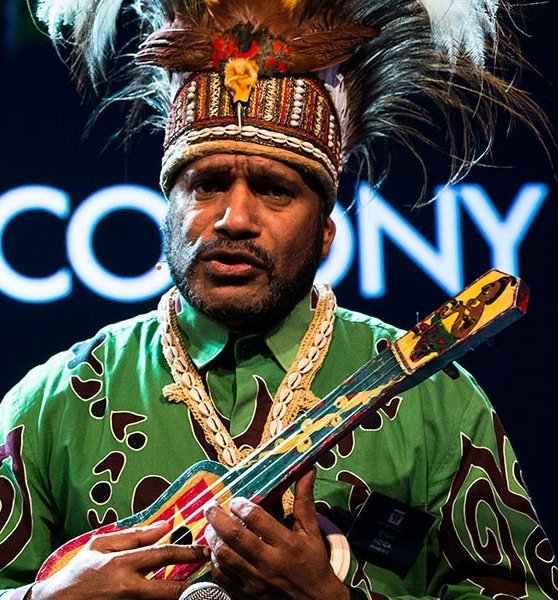
The Road to Home (2015) is an award-winning documentary that tells the story of Benny Wenda, the Nobel Peace Prize–nominated West Papuan independence leader, and his ongoing struggle to free his people from Indonesian colonial rule.
Since his dramatic escape from an Indonesian prison in 2002, where he was held in isolation and tortured as a political prisoner, Wenda has been an unceasing crusader on the international stage, campaigning to end the suffering of his people.
British filmmaker Dominic Brown of Dancing Turtle was given exclusive access over two years to follow and document his inspirational journey.

As a young child in the 1970s, Benny Wenda’s world was his village in the remote highlands of West Papua, on the western half of the island of New Guinea. In 1977, the Indonesian military arrived. Soldiers forced women to wash in rivers before brutally attacking them in front of their children. Many young women, including three of Benny’s aunts, died from their injuries.
Amid growing resistance, 15,000 Lani people rebelled, and in retaliation Indonesian military aircraft bombed highland villages, including Benny’s. Between 1977 and 1983, Benny and his family, along with thousands of others, lived in hiding in the jungle. Food and shelter were scarce, and military violence remained a constant threat. During one attack, soldiers killed his young cousin and fatally injured his aunt, forcing Benny to witness the violence.
These experiences shaped Benny’s path. His motivation sprang not from politics but from a desire to assert and celebrate Papuan identity and encourage others to do the same. He later studied sociology and politics in Jayapura, where he brought together Papuan students from different tribes and regions to explore what it meant to be Papuan. Above all, he sought to instil pride in a generation raised to feel the opposite.
After the fall of Indonesian President Suharto and the independence of East Timor in 1999, demonstrations swept across West Papua. During the period known as the ‘Papuan Spring’ (1999–2000), the Indonesian government in Jakarta entered into dialogue with Papuan leaders. It was in this moment that Benny became leader of Demmak (Dewan Musyawarah Masyarakat Koteka), the Koteka Tribal Assembly, working to protect the customs and beliefs of West Papua’s tribal people while advocating full independence from Indonesia.
When Megawati became President in 2001, policy shifted. The Papuan Spring ended, and the military began a crackdown on known ‘separatists.’ In November 2001, PDP leader Theys Eluay was assassinated by soldiers. Despite this, Benny remained committed to full independence.
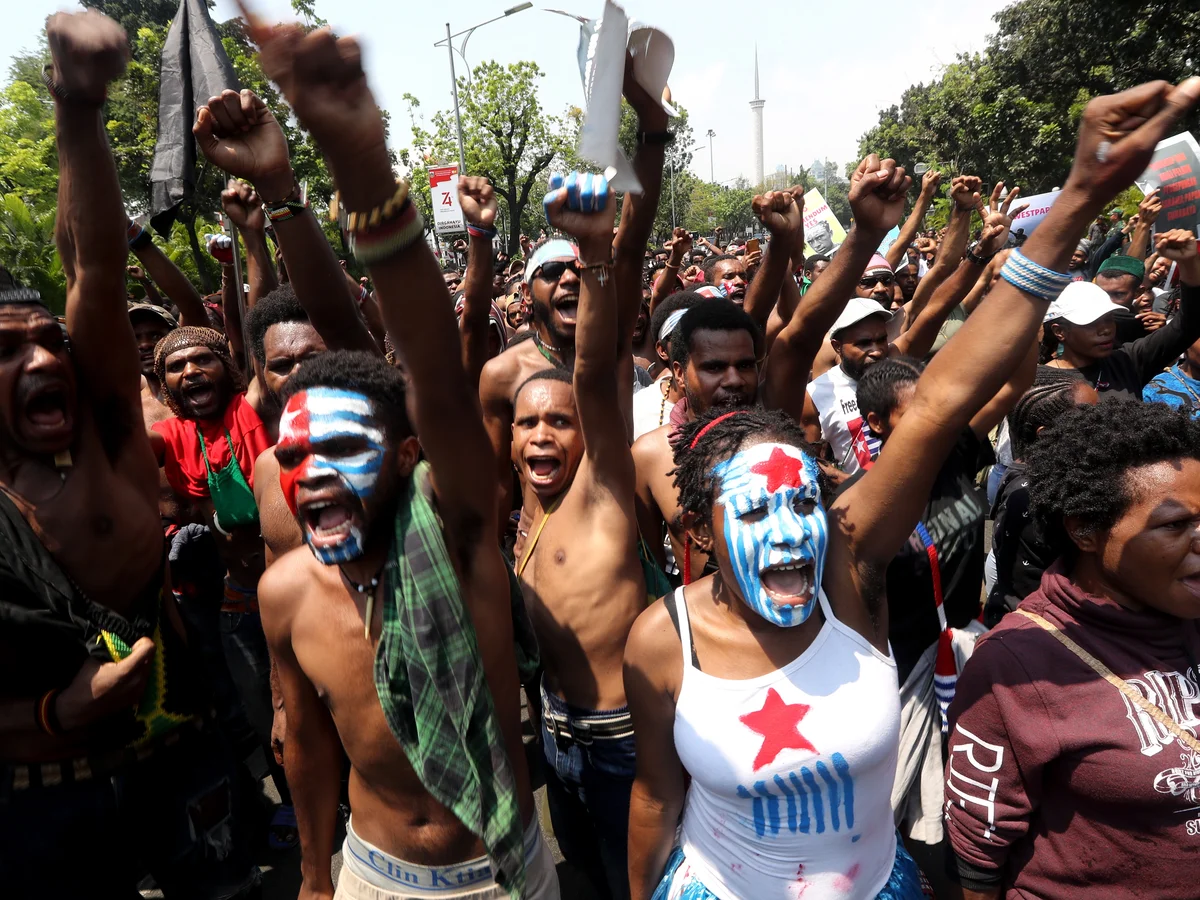
In June 2002, Benny was arrested in Jayapura. His home was ransacked without a warrant, and he was tortured and held in solitary confinement for months. Facing a long prison sentence on charges he denied, he staged a daring escape and fled into exile. His escape marked a turning point, transforming him from a local activist into an international figure in the struggle for West Papuan independence.
Later that year, he arrived at London’s Heathrow Airport after a three-week trek through the jungle, supported by a network of activists who helped secure his freedom. In the UK, he was granted political asylum and has since campaigned tirelessly to bring the voice of his people to the world, speaking to governments, institutions, and grassroots movements alike.
Swathed in tropical rainforest second in size only to the Amazon, West Papua is home to many unique species, including tree kangaroos and birds of paradise. The region is also one of the world’s richest in natural resources, containing vast reserves of oil, gas, copper, gold, and timber. The indigenous population numbers about 1 million Melanesian Papuans, many of whom continue to live subsistence or hunter-gatherer tribal lifestyles.
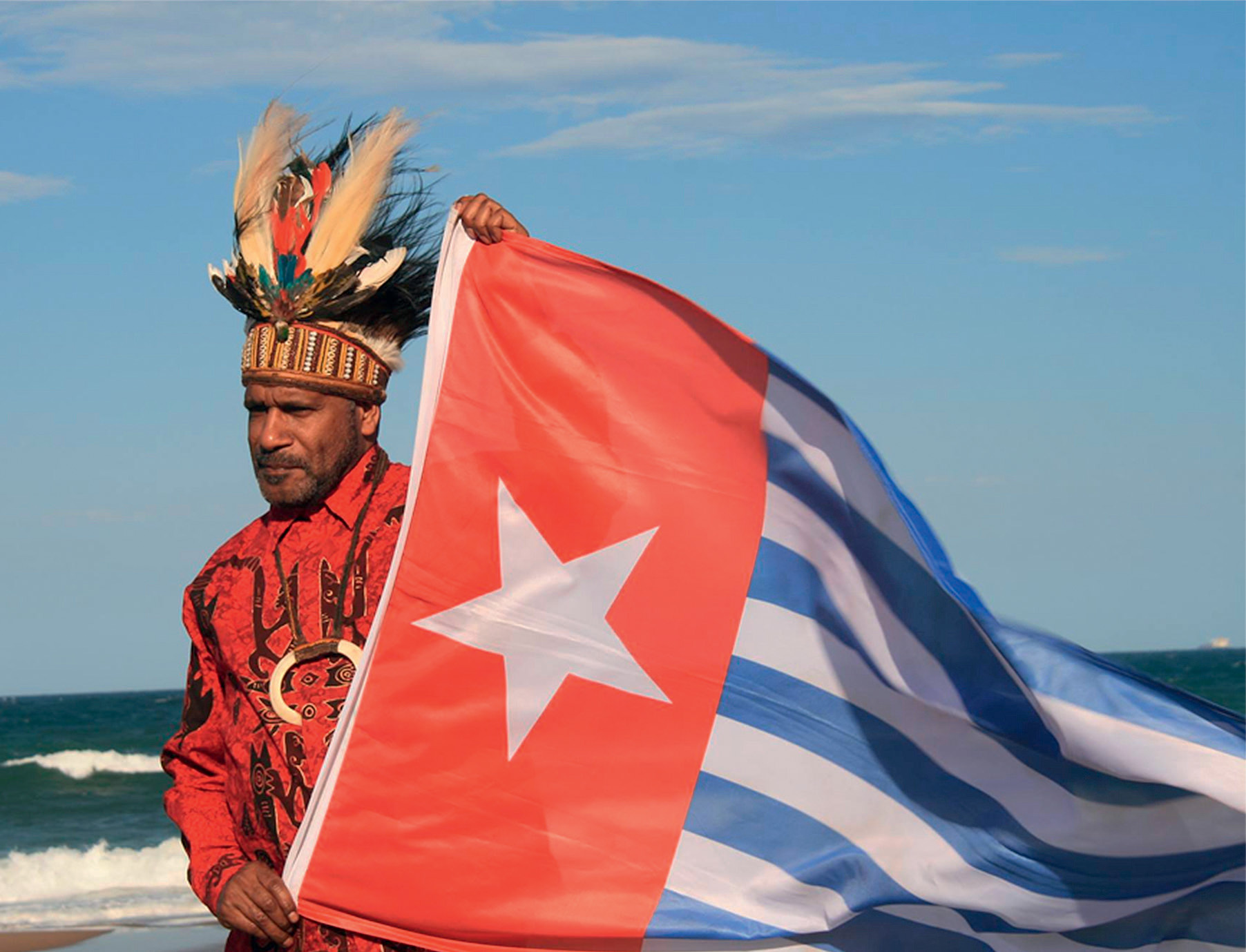
Previously a Dutch colony, West Papua remained under Dutch control when Indonesia became independent in 1949. The Dutch prepared West Papua for independence throughout the 1950s. At the end of 1961, West Papua declared independence and raised its new flag — the Morning Star.
Within months, the Indonesian military invaded. The US brokered an agreement in 1962, transferring control to the United Nations, and a year later to Indonesia. The Papuans were never consulted, though the agreement promised their right to self-determination.
By 1969, resistance was widespread. The UN agreed to oversee a plebiscite — the ‘Act of Free Choice.’ Instead, the Indonesian military hand-picked just 1,026 Papuans out of a population of one million, threatened them with death, and dictated their choice. The result was declared unanimous. West Papua has remained under Indonesian control ever since.
Available on DVD in three licensing formats. All orders ship from London, UK via Dancing Turtle Films.
The Road to Home has reached audiences worldwide through film festivals and special screenings.
Updates about the film and the ongoing struggle for West Papuan independence.



For all enquiries, including screening and licensing:
Directed by Dominic Brown
Produced by Dancing Turtle Films